psychedelic Integration
A dinamyc model
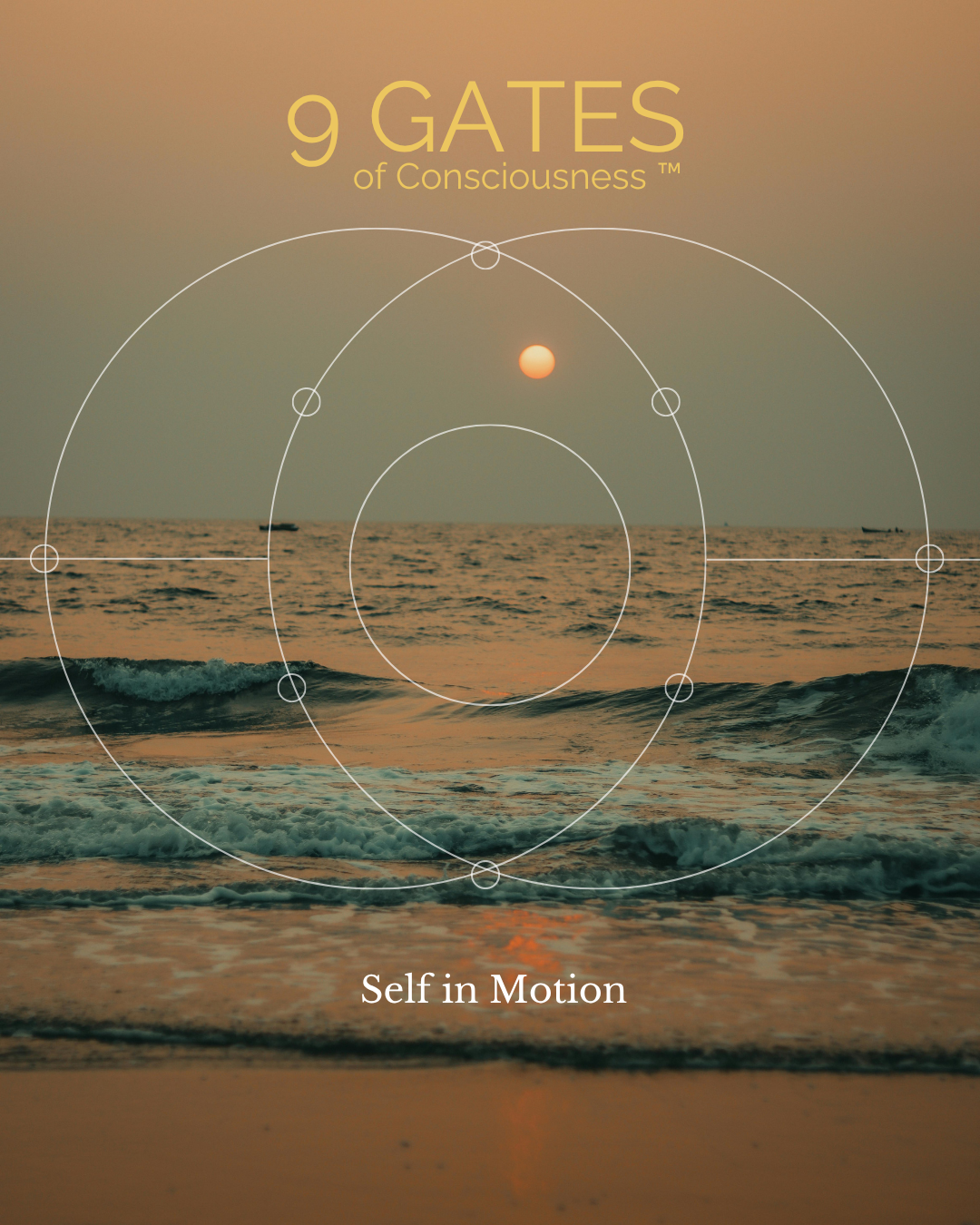
A SPIRAL MODEL FOR PSYCHEDELIC INTEGRATION
Most existing frameworks for psychedelic integration are built on linear logic — prepare, experience, integrate — as if the psyche moves in one direction, toward a destination. The 9 Gates of Consciousness™ method, contains nine gates that are not steps to be completed and left behind, they are recurring territories of human experience, information and relationality, that the psyche visits again and again across a lifetime, each time with more capacity to receive what they offer.The gates move through nine territories, and three turns of the spiral.The first three gates prepare the container, bringing the seeker into relationship with their calling, their body, and the landscapes of their own mind. Gate 5, the gate of the liminal, is the point where the self loosens its grip on what it thought it was. The final gates are the long, slow work of weaving what emerged in expanded states back into the tissues of daily life, returning, finally, to the community and ecosystem the seeker belongs to.We are made of different aspects of the “whole”, and each aspect is a point of view by which we can see, understand, and relate to ourselves, and the world. Consciousness is not a fixed or singular entity, it is a non-linear dynamic system composed of multiple interconnected aspects. These aspects are like different lenses or vantage points through which we perceive, interpret, and engage with the world and our inner experience.These perspectives are not isolated; they exist in relationship with one another, continuously influencing and shaping our awareness in real time. Like nodes in a living network, they form a fluid and responsive whole, constantly reorganizing as we encounter new experiences, insights, and challenges.This constant reorganization matters for our flexibility, resilience, creativity, wider perspective, etc. However, humans tend to get overly fixed in one gate or the other, preventing the flow and diversity of perspective to enrich our vision and capacity for action.In sum, consciousness is not something we “have,” but something we participate in. To embrace consciousness as a non-linear system is to recognize the sacred complexity of who we are, not as fractured beings, but as fluid expressions of a greater, living whole.consciousness as a non-linear system
MAPS AS TOOLS FOR DISCERNMENT
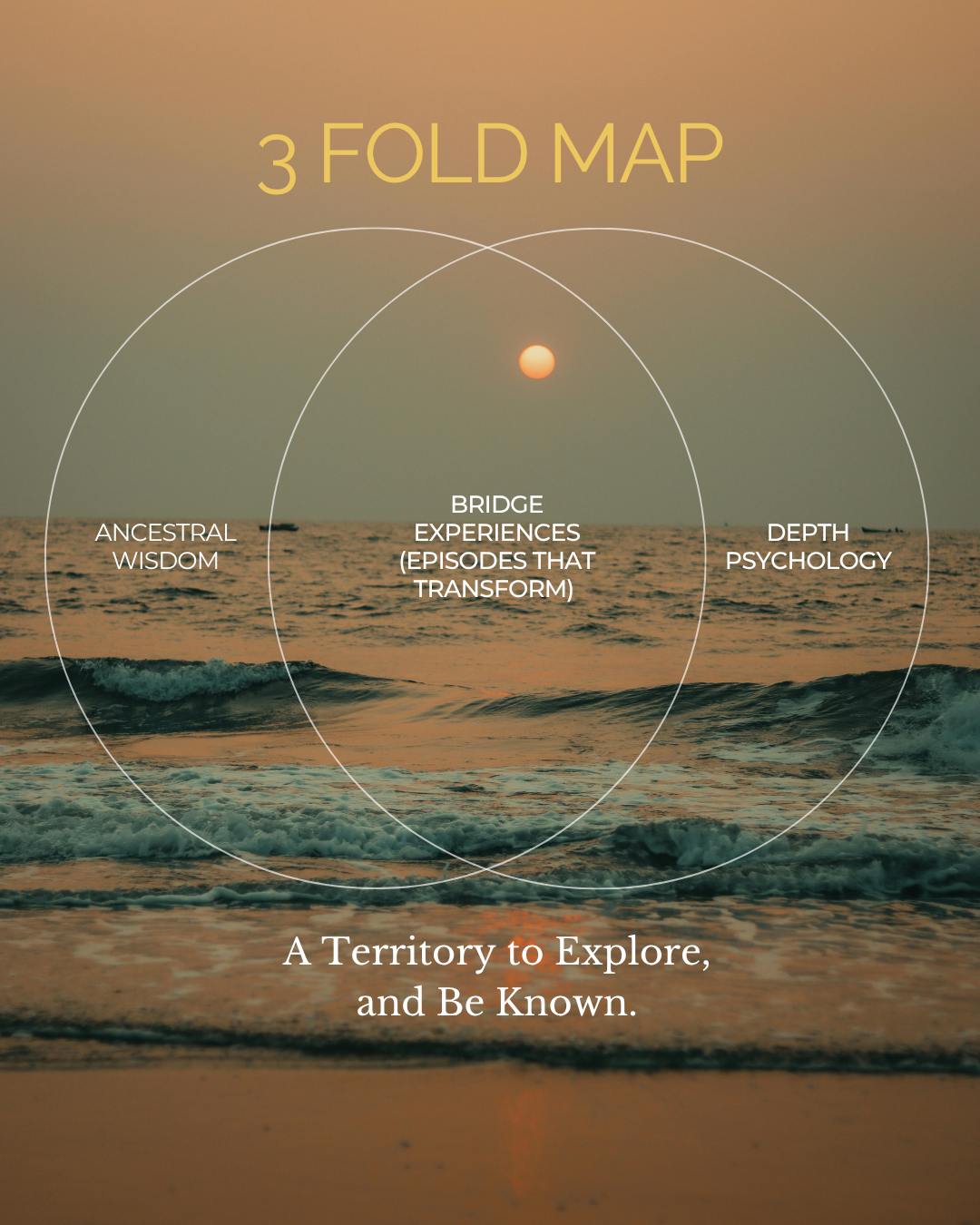
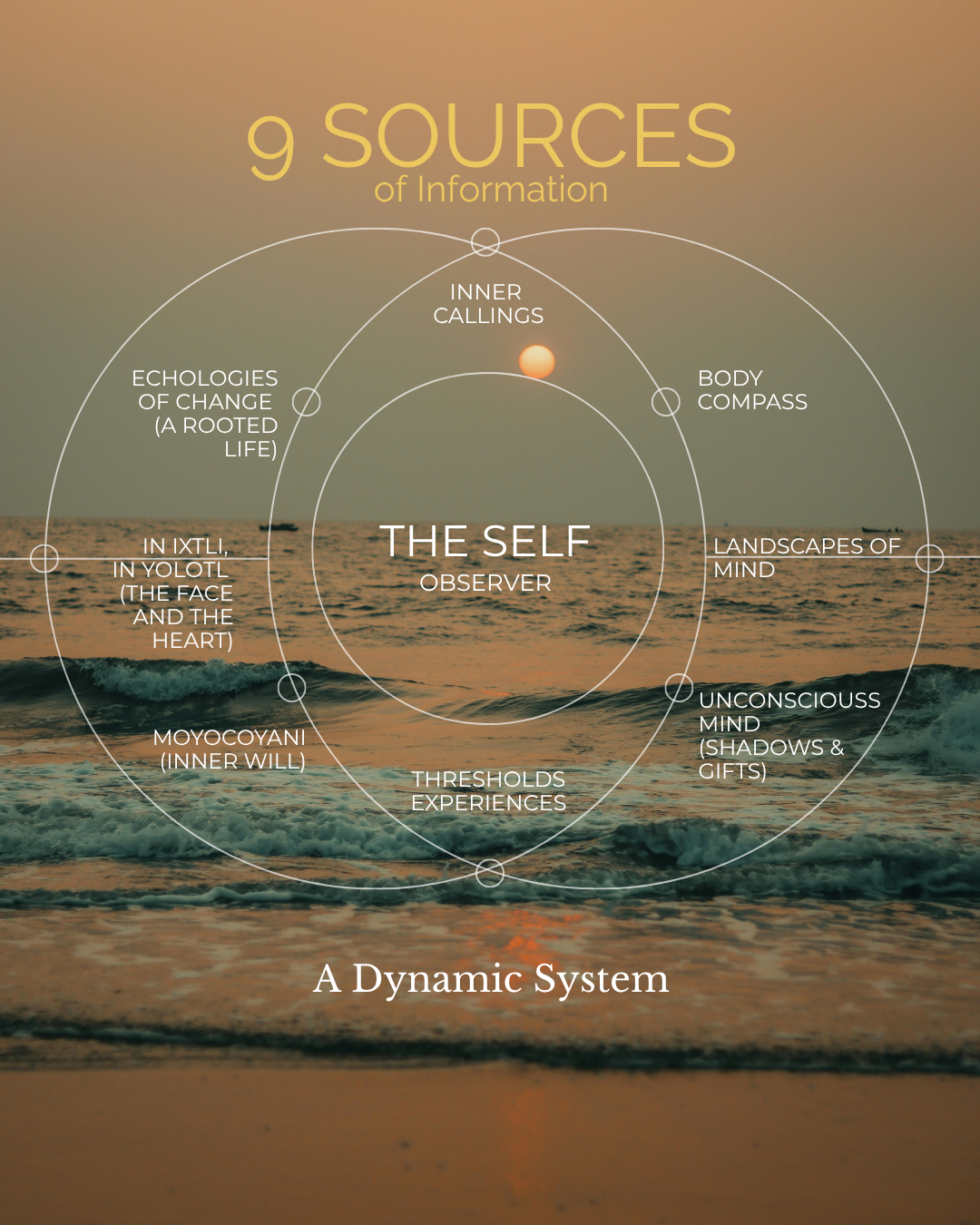
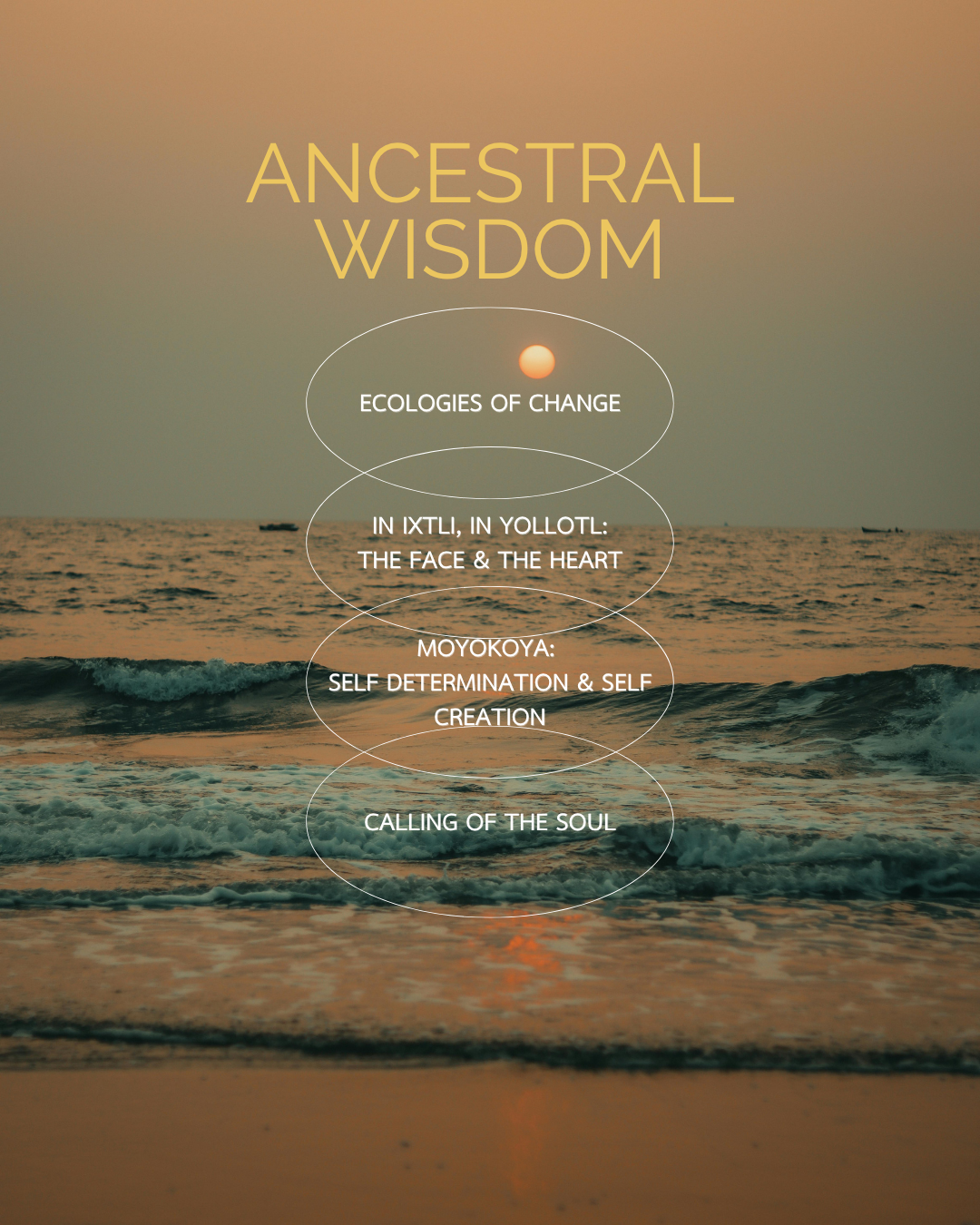
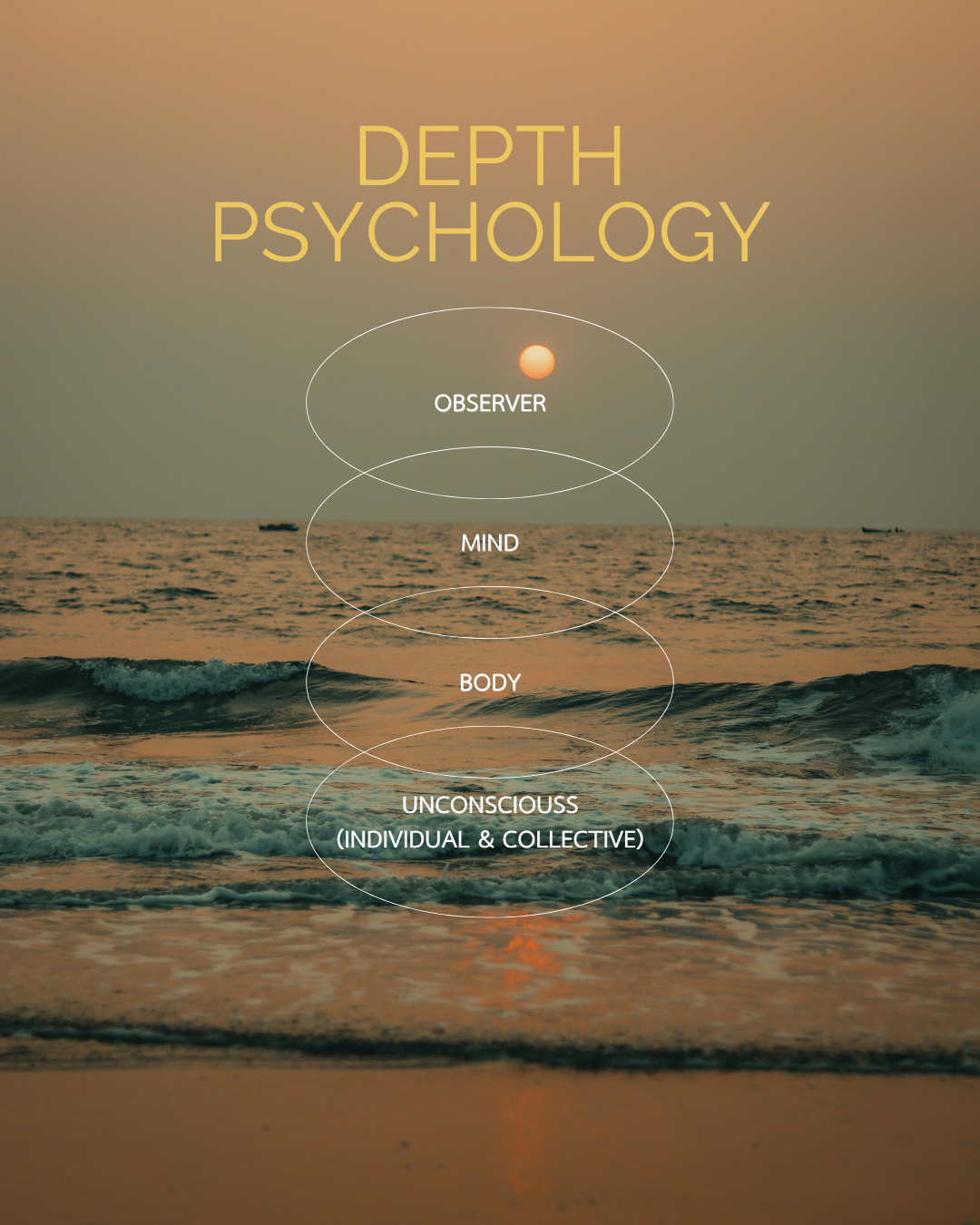
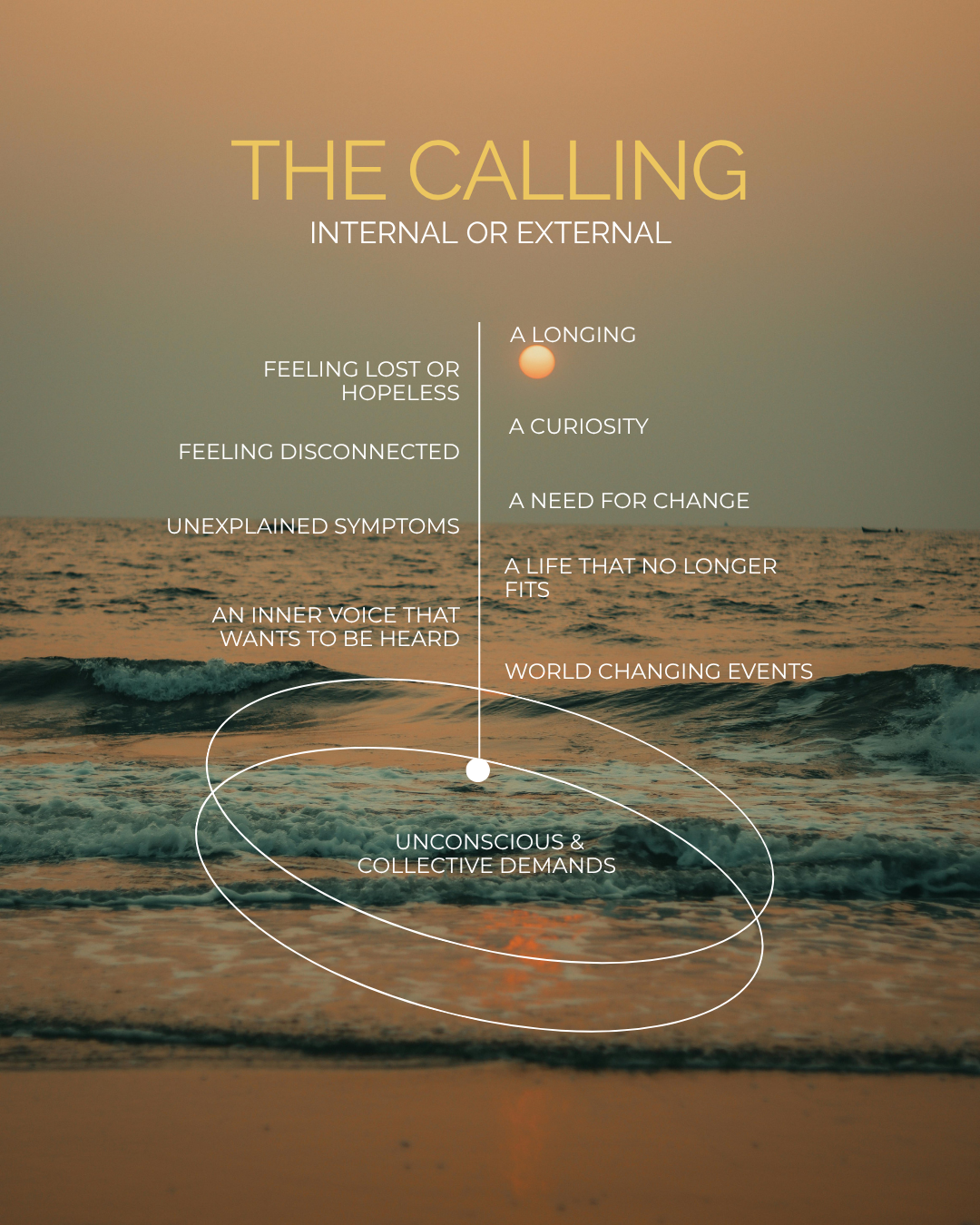
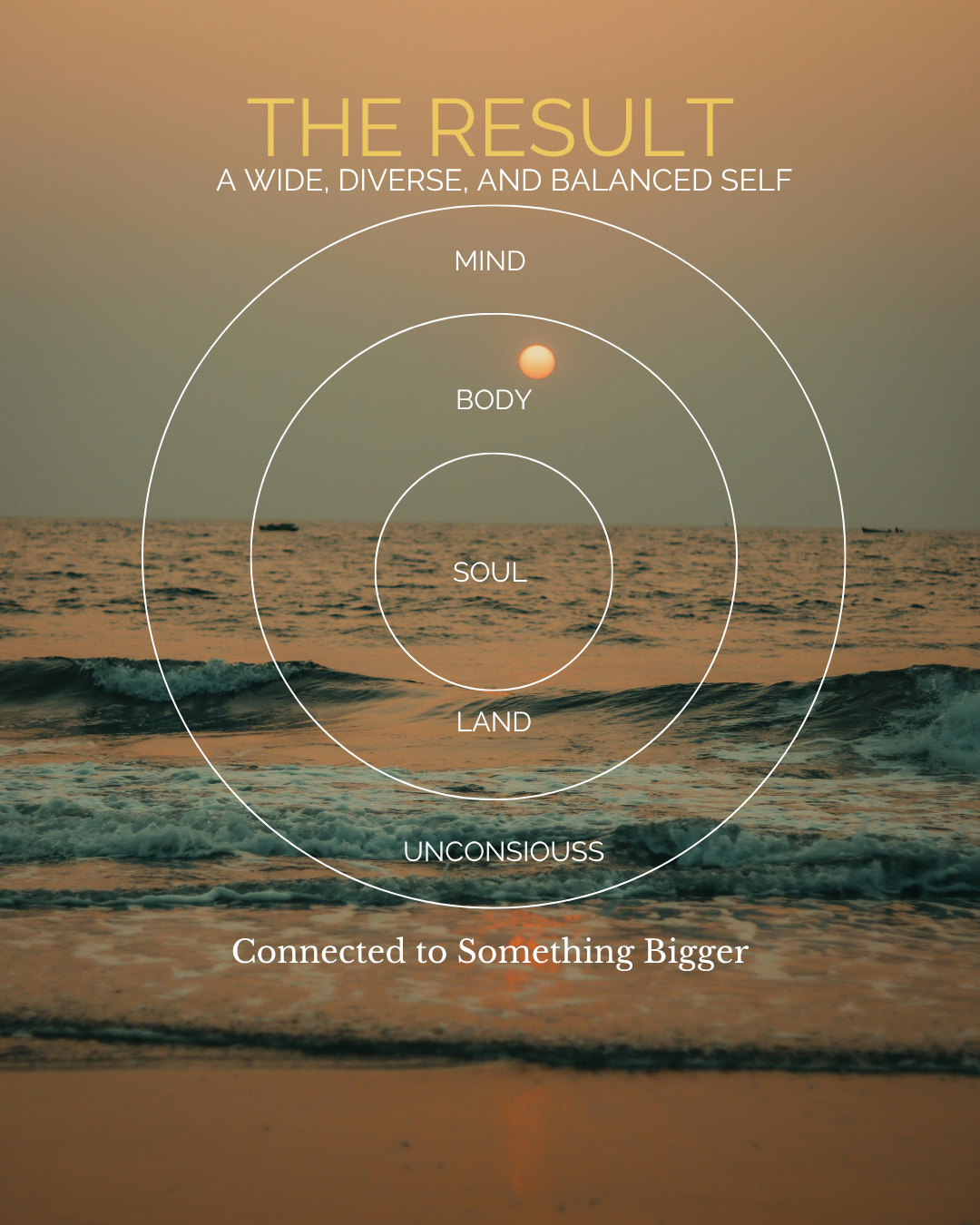
Most therapeutic frameworks operate on acquisitive logic: you gain skills, develop capacities, build resilience. The goal is always more. I have come to believe that this framing, however well-intentioned, can become a continuation of the very wound it tries to heal, the premise that the self is insufficient and must be improved.The 9 Gates method proposes something different: that what most of us need is not more, but less. Less of the protective structures and compensatory strategies that were once necessary and are now in the way. The psyche, under the right conditions, already knows how to heal. The work of integration is to create the conditions for that unwinding, and then to stay present as each layer loosens.what this map offers
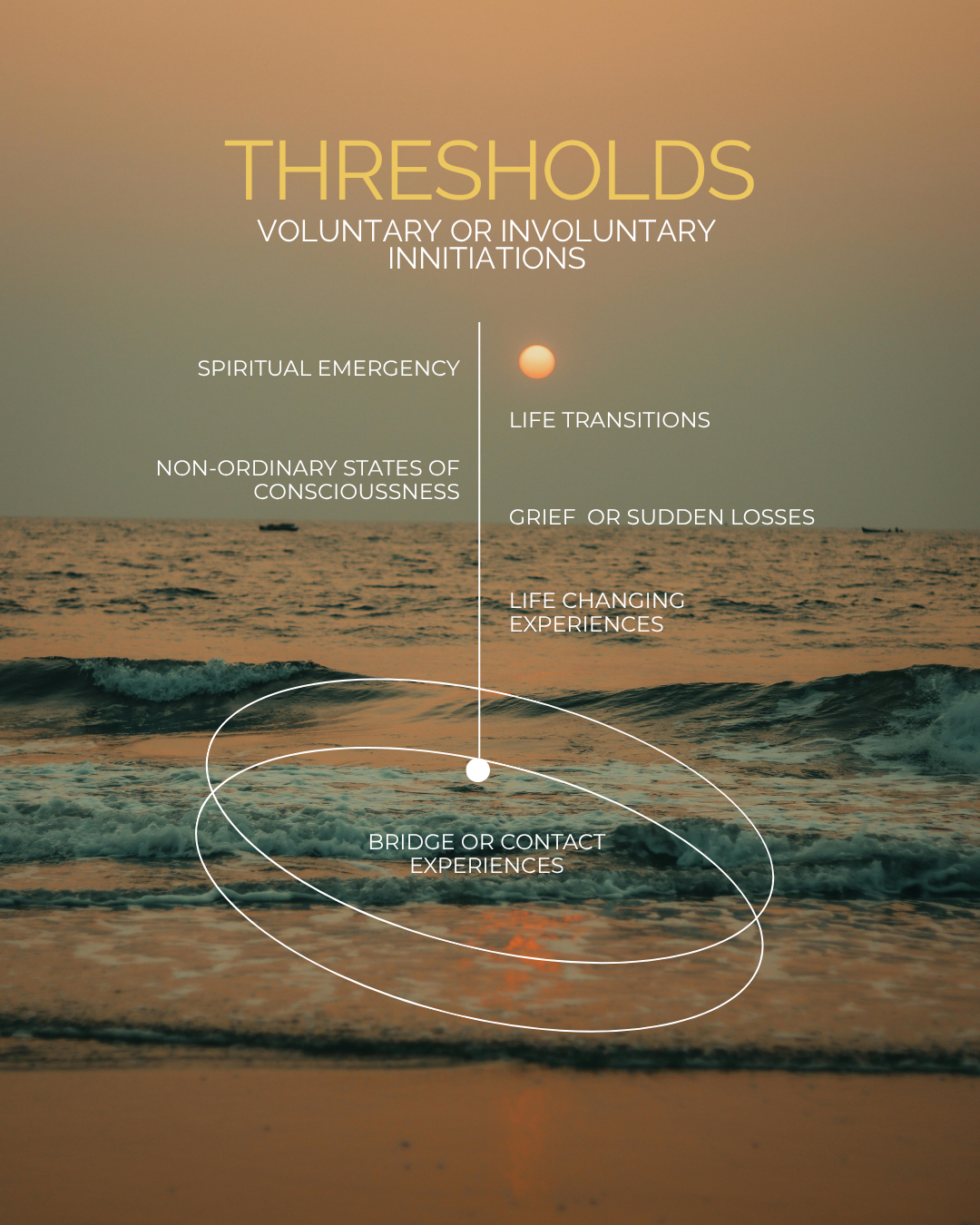
Psychedelic-assisted psychotherapy brings people to thresholds: change, the unknown, vulnerability, intimacy, connection, and separation. How these thresholds unfold depends less on the substance than on the maps of mind that client and facilitator bring, and on the context in which healing is defined.
Each seeker enters the psychedelic space with a map and a motivation, with an entry point and with more depth or gravitas in some gates rather than others. After the psychedelic experience the seeker can inhabit a new gate or a wider vision of the connection in between many of them. By pinpointing to the entrance and exit point of the psychedelic experience, without being rigid and prescriptive about it, we can guide a better integration process and help them track the movement or change that was achieved, and the importance of exploring new ways of engaging with life when the critical periods in the brain are open.