psilocybin-assisted psychotherapy
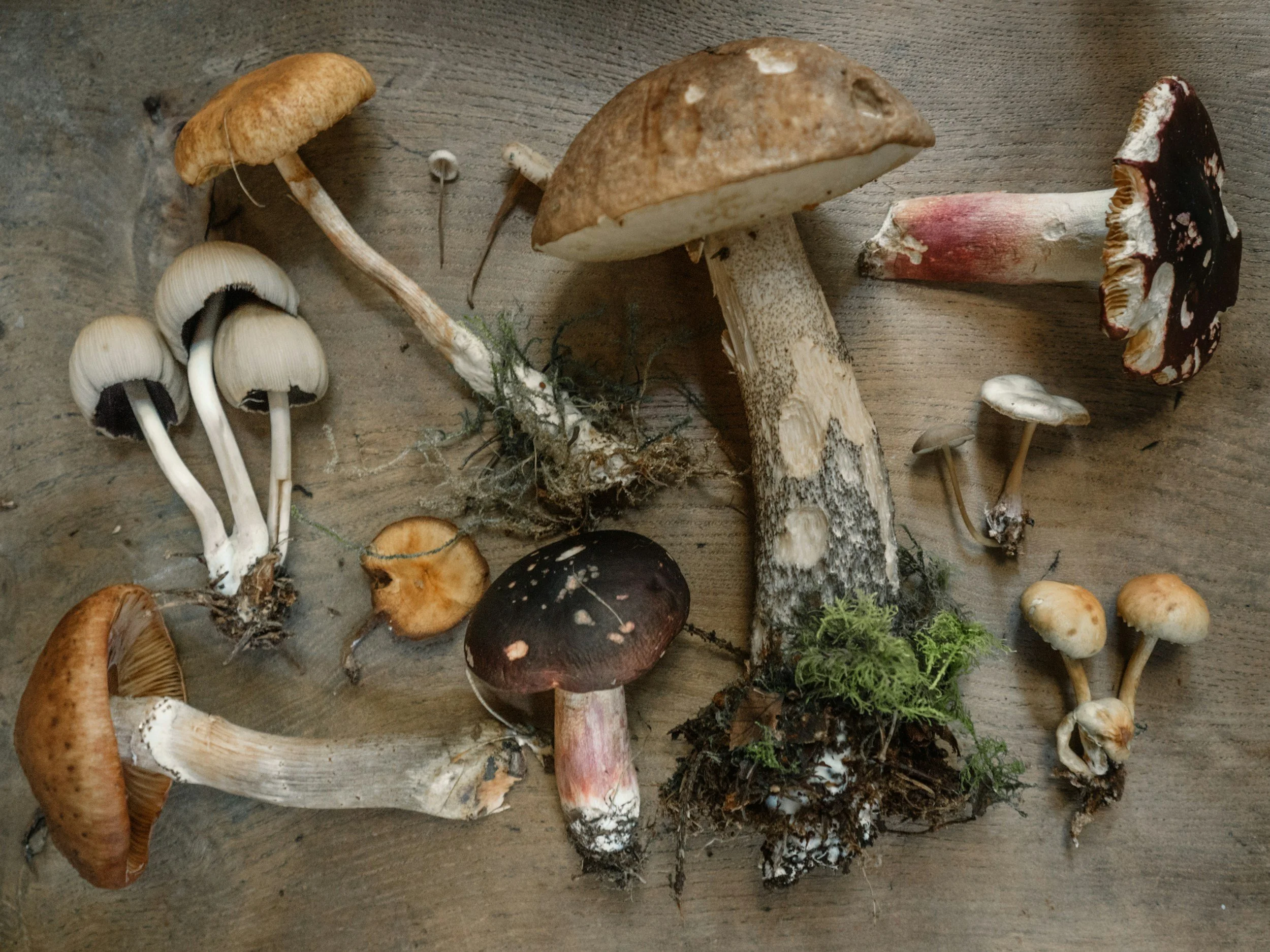
The use of visionary plants and psilocybin mushrooms is an ancient community practice. It's been safeguarded, protected and revered by indigenous communities around the world, to whom we owe recognition, respect, acknowledgement and support.
I’m deeply grateful to the communities I’ve sat with in ceremony and pilgrimage, for their generosity, guidance, and medicine. The Mazatec and Wirrarika peoples from Mexico, and the Shipibo-Conibo from Peru.
I’m currently licensed as a Natural Medicine Clinical Facilitator in the state of Colorado, granting me the right to legally work with psilocybin mushrooms to aid my clients in their healing process, and provide a non-judgmental space for all people to process previous journey experiences, or ceremonies done outside the country or outside the current legal framework.
the Process
Includes an assessment, two preparation sessions, one administration session, and three integration sessions.
Together, we outline a path tailored to your specific needs, and prepare your mindset for the ceremonial use of natural medicine.

Step 1 | PreparationThe administration session lasts between 6 to 8 hours. You’ll be guided to lay down, and encouraged to use an eye mask (optional) that will help focus in your internal experience while listening to a curated playlist to support your process.
I’ll be with you all of those hours to support you, guide you, and keep you safe.

Step 2 | The JourneyIntegration sessions have the goal of making sense of the sometimes dismembered parts of the psychedelic or visionary experience, processing the potent insights, as well as taking those insights into grounded, life affirming and down to earth change.

Step 3 | Integrationoptions
-

Individual session
$2,500
-
couples session
Partner | Family members | Friends
$2,000 per person
-

Groups of 4
$1500 per person
WHAT SETS US APART
Integrity, expertise, ethical, compassionate care that masters the sacred art and science of changing your mind.
"The ceremonial experience is only the starting point for actualizing your healing, awakening, and personal growth. What is more likely with visionary plant medicine use is a raising of consciousness and awareness that helps you see (your) life more fully, from a different perspective, and that gives you direction from where to seek your healing"
- Katherine E. Coder
cultural reclamation of ancestral traditions
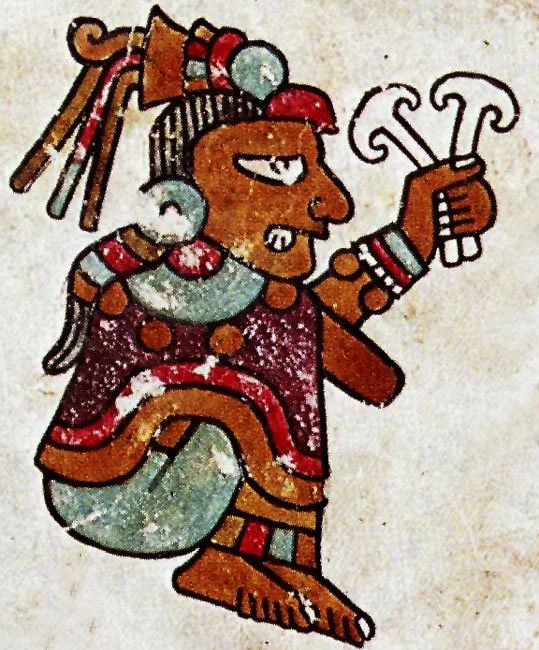
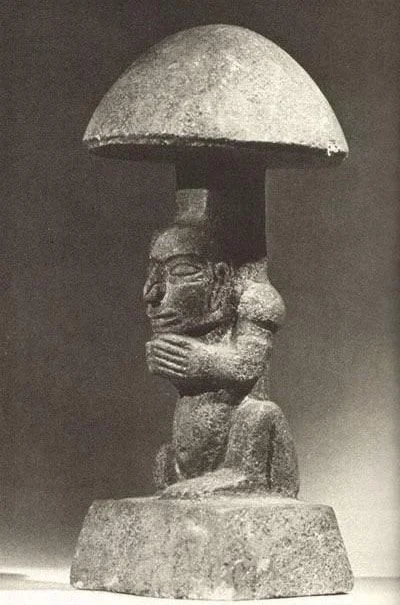
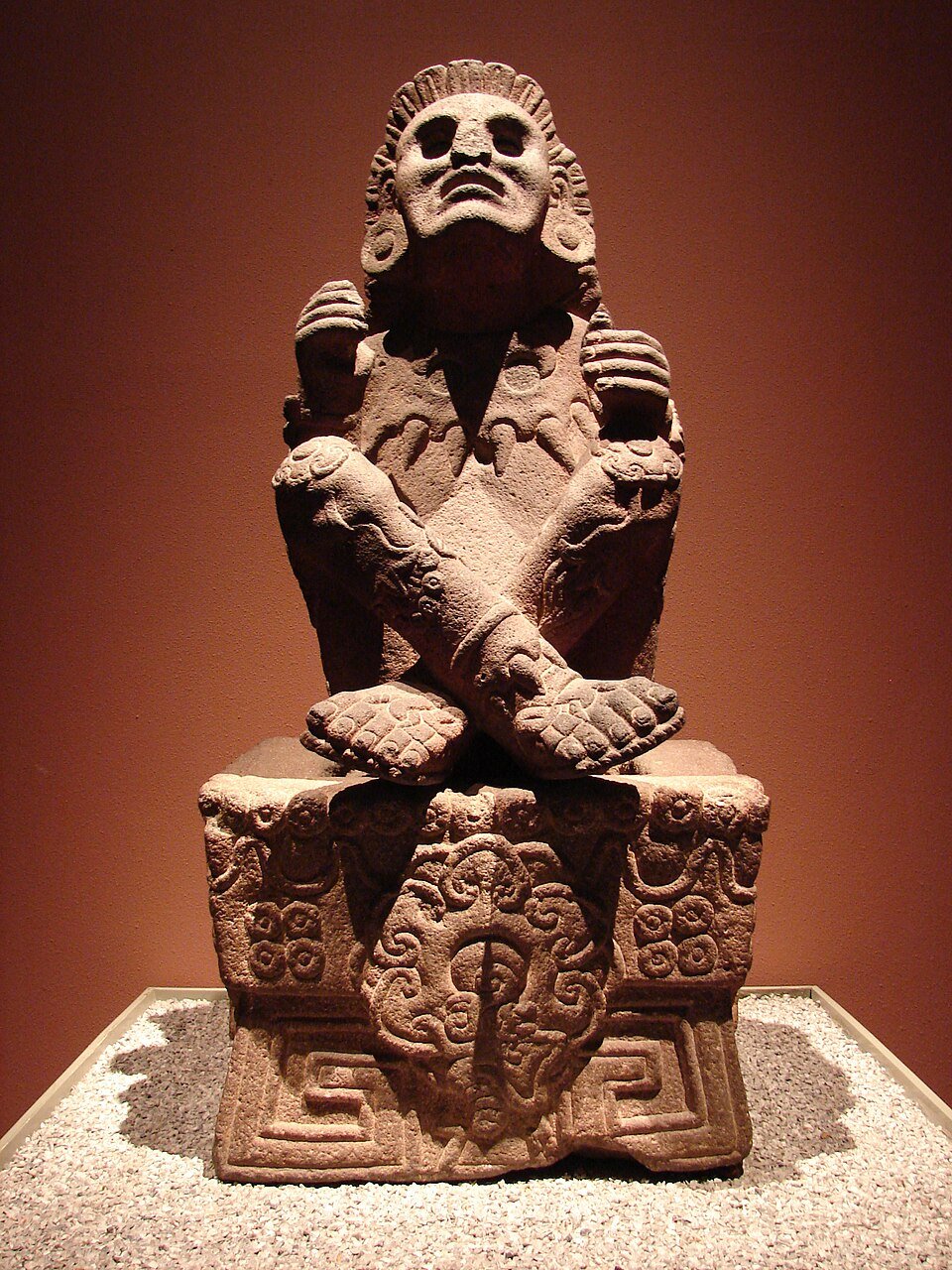
Knowledge of these practices first began to be disseminated more widely through the writings of a Franciscan friar called Bernardino de Sahagún who spent decades studying and documenting the beliefs, culture and history of the Aztecs, following Spain's colonisation of Mexico. Albert Garcia-Romeu, professor in psychedelics and consciousness at Johns Hopkins University's School of Medicine, says that De Sahagún described Aztec rituals involving psilocybin-containing mushrooms in the 1520s, followed by what modern-day practitioners might call group therapy.
"He [de Sahagún] wrote that they would use these mushrooms in ceremonies where people would dance, sing and weep, and then in the morning, they would talk about their visions," says Garcia-Romeu.
Frequently Asked Questions
-
Psilocybin can be found in certain mushrooms, it occurs naturally, non-addictive, and considered of low-risk.
It interacts primarily with serotonin receptors in the brain, particularly the 5-HT2A receptor, gently shifting perception, mood, and states of consciousness.
Once ingested, psilocybin is naturally converted in the body into psilocin, the compound responsible for its psychoactive and therapeutic effects. Psilocin works by influencing neural pathways connected to mood, perception, and our sense of self.
Common effects include changes in perception, heightened emotional awareness, and an expanded capacity for insight and reflection. At higher doses, psilocybin may invite what are often described as mystical or transcendent states accompanied by a profound sense of connection to others, to nature, and to something greater than oneself.
In recognition of its therapeutic potential, psilocybin has been granted “Breakthrough Therapy” designation by the FDA for use in research addressing treatment-resistant depression (TRD) and major depressive disorder (MDD).
-
Research and clinical studies suggest that psilocybin may offer support to people living with depression, anxiety, post-traumatic stress, obsessive or compulsive patterns, grief, addiction, chronic pain, and existential or spiritual distress related to illness or major life transitions.
However, psilocybin experiences can be deeply meaningful for many people, especially those seeking greater emotional balance, self-understanding, or relief from long-held patterns of psychological or physical distress.
As a therapeutic and exploratory tool, psilocybin can support both healing and growth. It may be helpful for individuals working with specific medical or psychological challenges, as well as for those drawn to personal development, creativity, spirituality, or self-inquiry—without the need for a formal diagnosis.
-
It is generally not recommended for individuals with a personal or family history of psychotic disorders, such as schizophrenia or bipolar disorder.
It is also not recommended for people with high blood pressure. If you have specific health-related questions, we encourage you to speak with your primary care physician.
-
Therapy is the best investment we can make in ourselves, and psychedelic assisted psychotherapy can offer accelerated insights, root-cause healing, softening of rigid behaviors and beliefs, and loving compassion for aspects of the self that have been neglected or unacknowledged. For some people one well supported psychedelic assisted psychotherapy feels like years of therapy.